World Federation of Tourist Guide Associations Convention 2026 Addresses Professional Sustainability and Global Tourism Standards
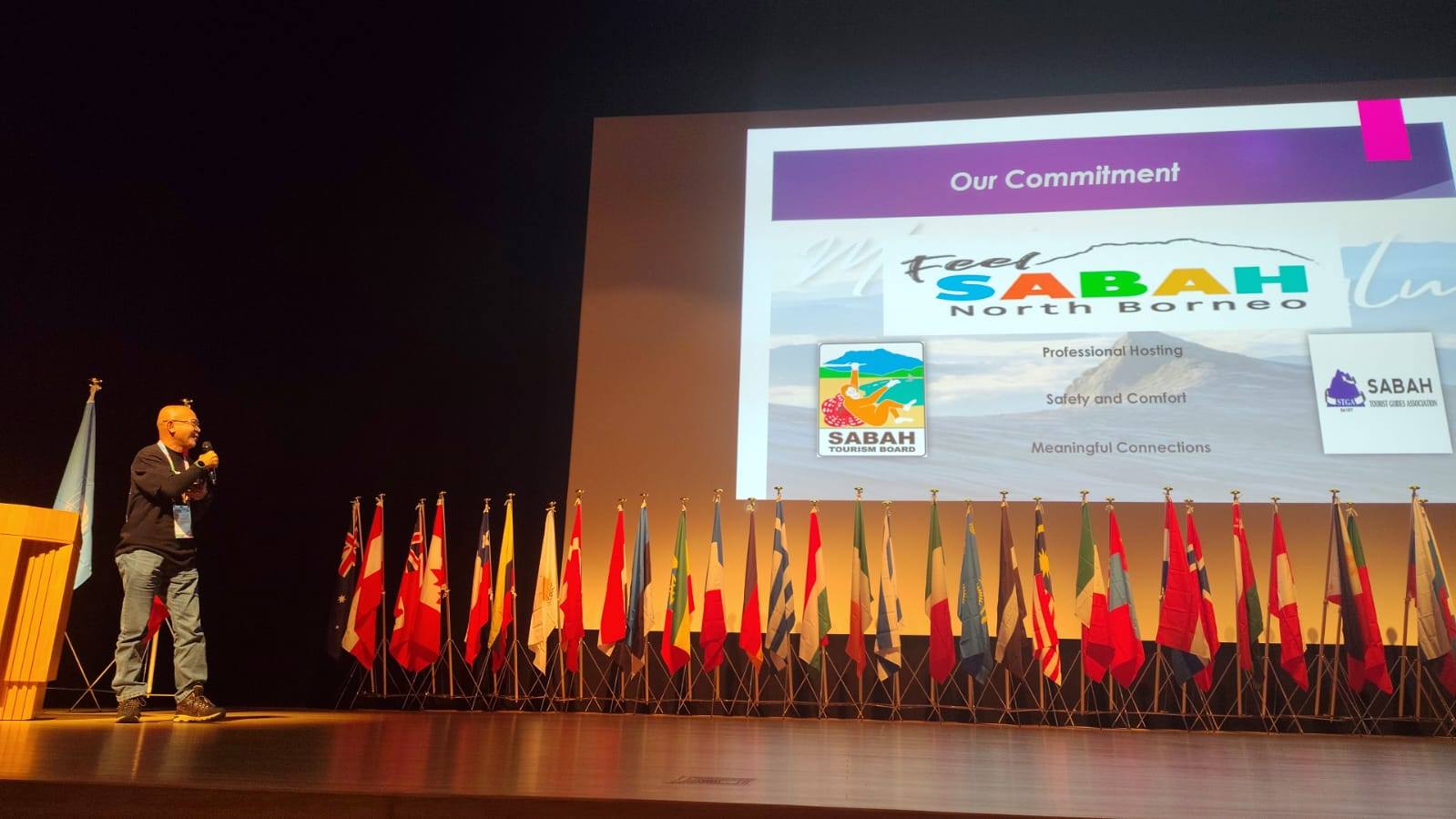
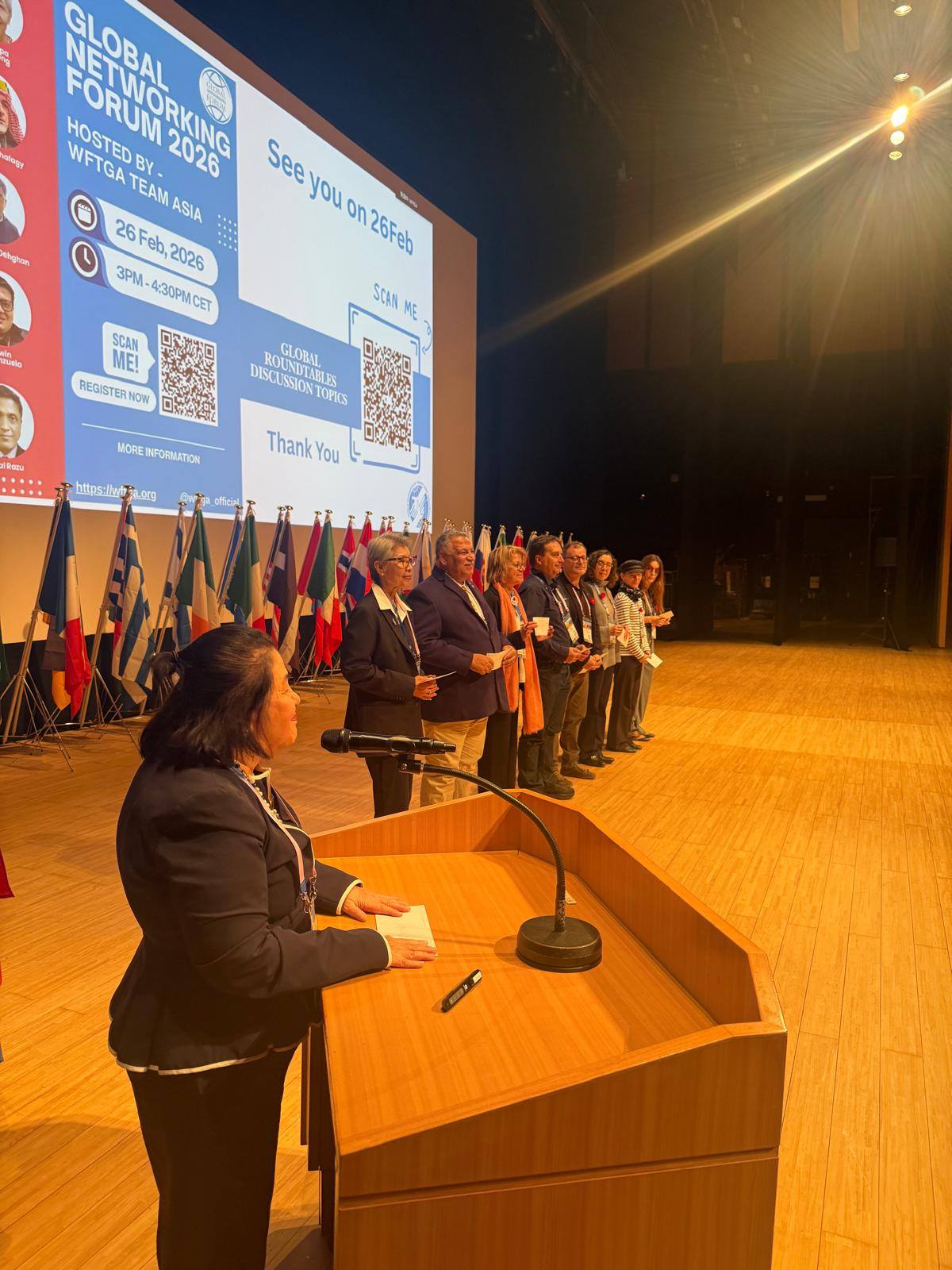
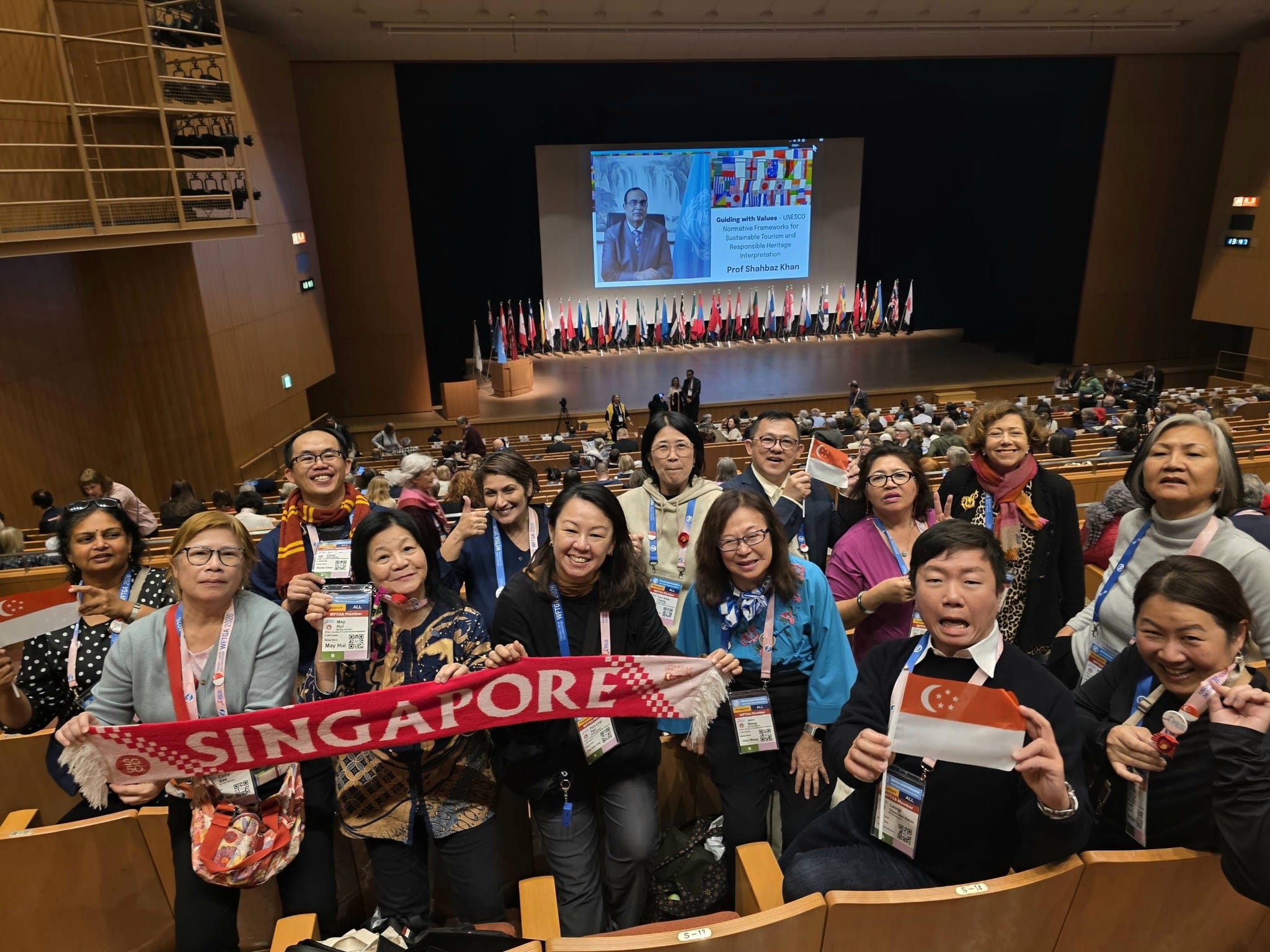
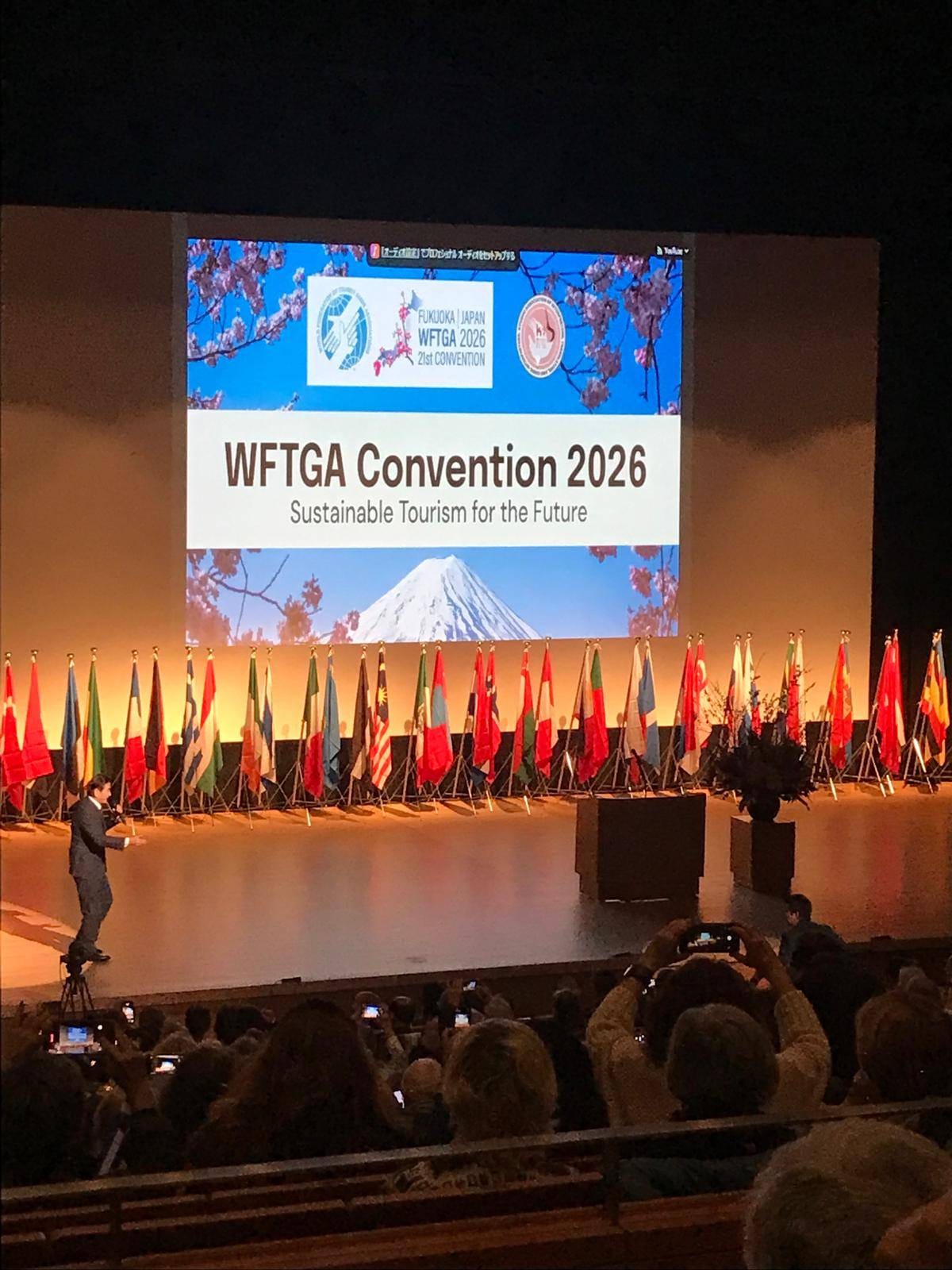
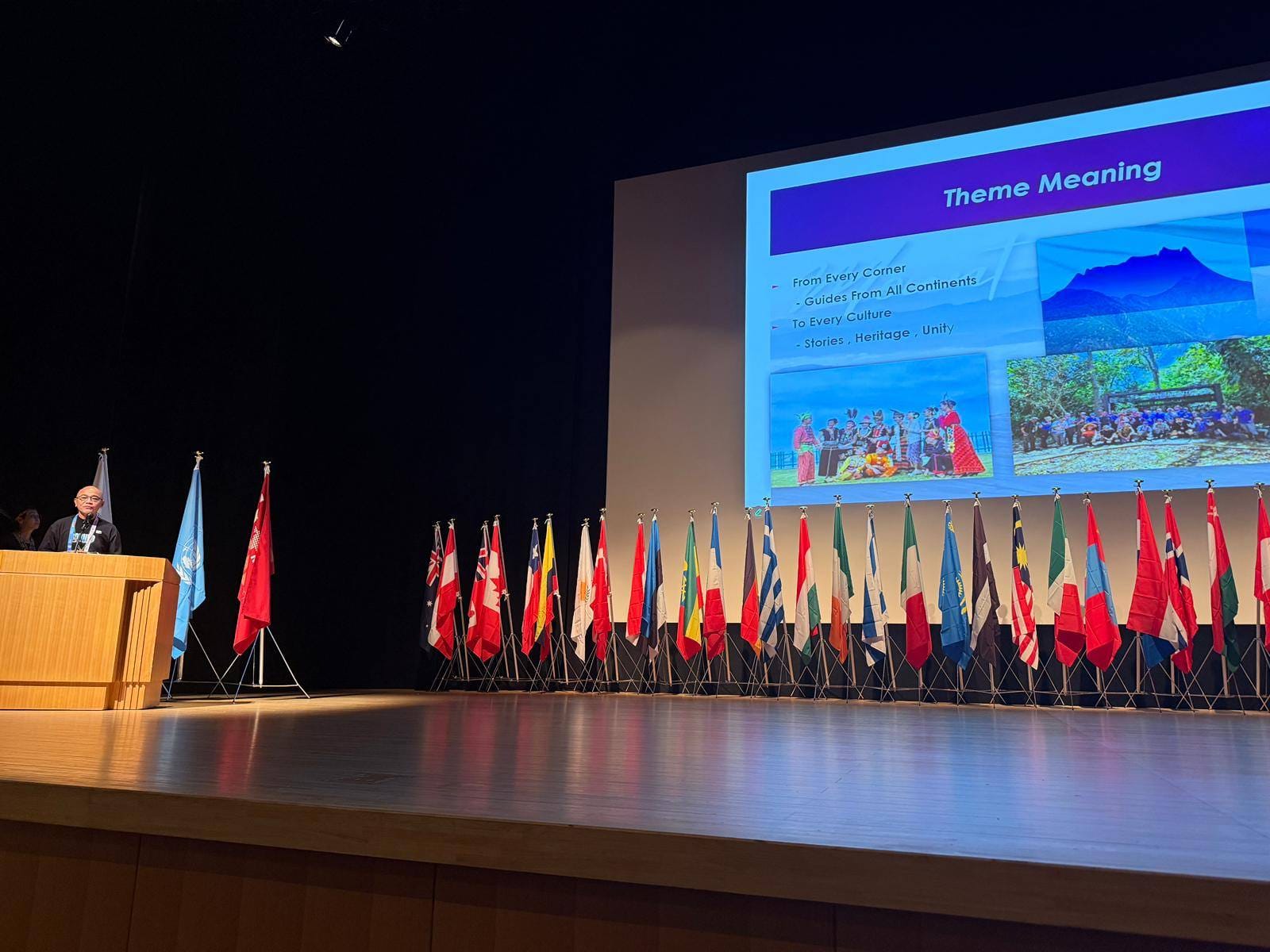
Fukuoka, Japan – 9 February 2026 – The World Federation of Tourist Guide Associations (WFTGA) opened its 2026 Convention today in Fukuoka, bringing together 600 professional tourist guides from over 50 countries alongside representatives from UN Tourism and UNESCO for a transformative five-day summit focused on sustainable professional practices and cultural heritage interpretation.
A New Paradigm for Sustainability
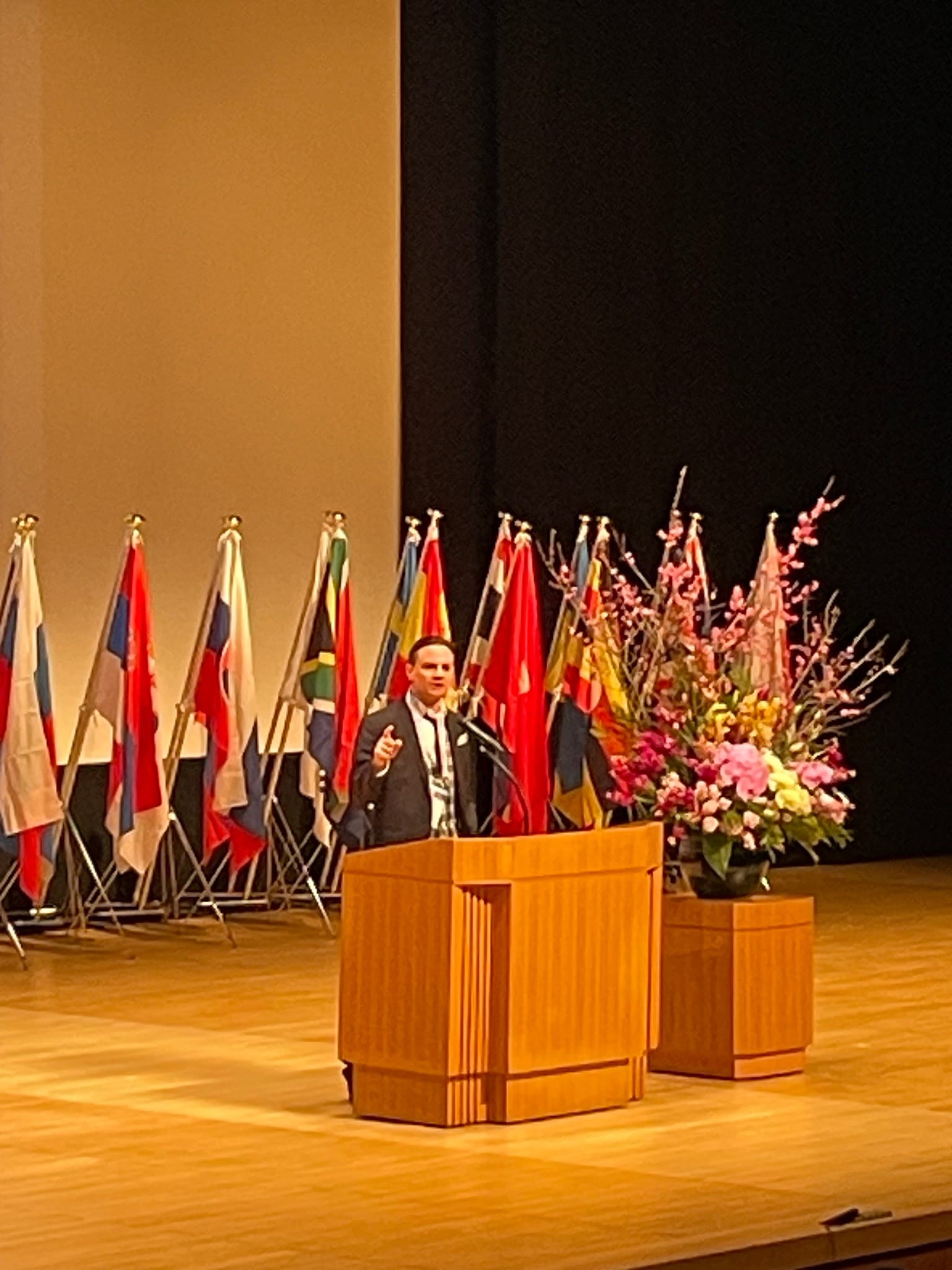
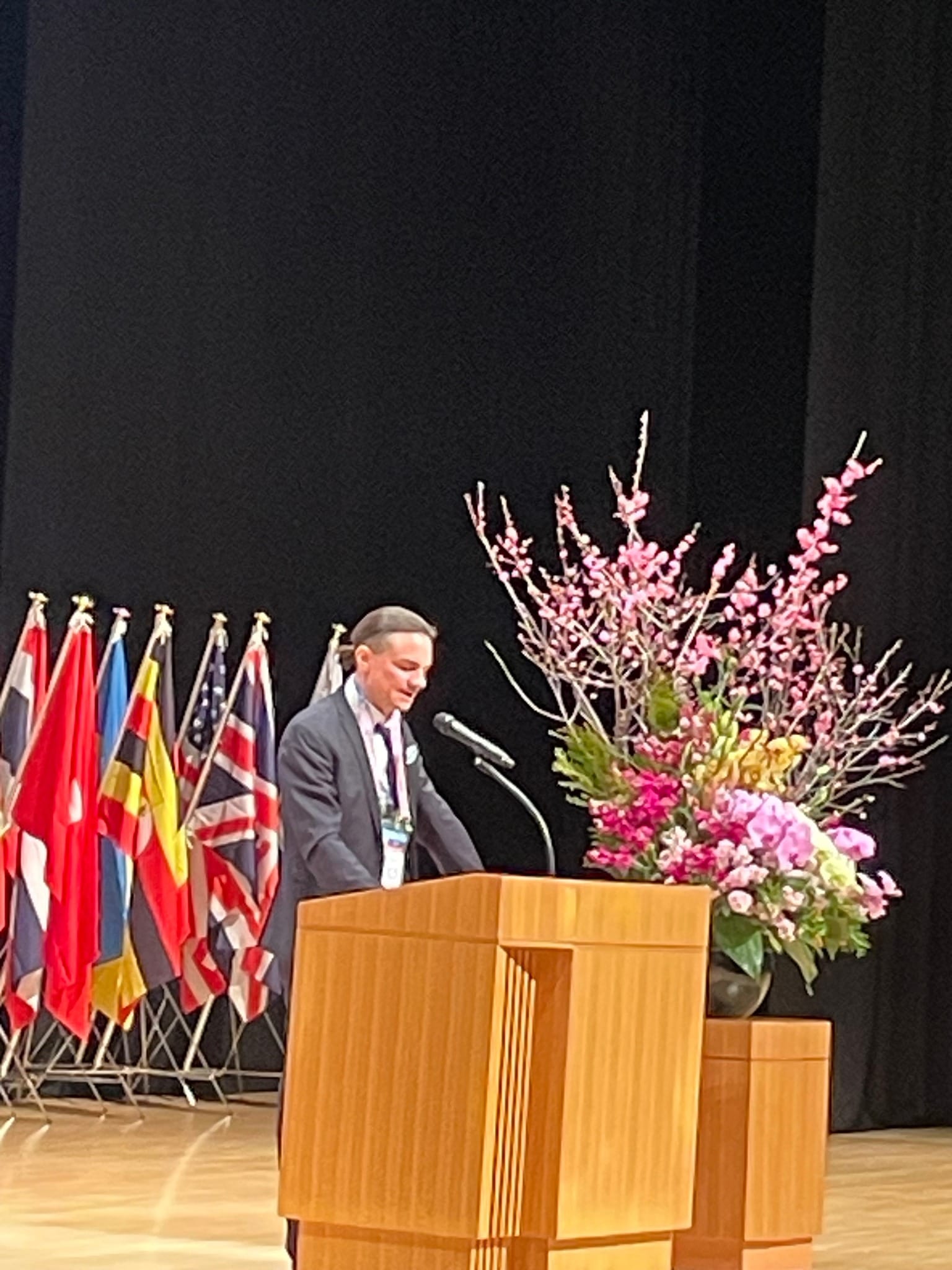
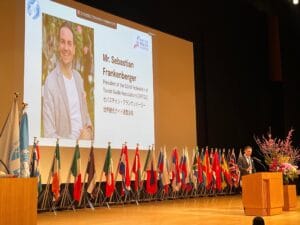
“Sustainability is not only about nature, climate or destinations. It is also about people. About how we work. How we cooperate. And very importantly: how we treat ourselves,” declared WFTGA President Sebastian Zenker in his opening address. The Convention’s central theme “Sustainable Tourism
for the Future” challenges the tourism industry to expand its understanding of sustainability beyond environmental concerns to encompass the professional wellbeing and economic viability of the 200,000 tourist guides represented by WFTGA’s 90 member associations worldwide.
Japan as Teacher and Model
The choice of Fukuoka and the Kyushu region as host destination carries profound significance. “Japan teaches us something essential about sustainability: it is not always about grand gestures. Very often, it is about the small ones,” President Frankenberger noted, drawing parallels between Japanese cultural values of respect and awareness and the professional standards WFTGA champions globally.
The Kyushu region itself exemplifies transformative sustainability, having evolved from heavy industrial production that once harmed communities and environment into a model region for culture, heritage preservation, and sustainable tourism development – a journey mirroring the profession’s own evolution toward sustainable practices.
International Recognition and Partnership
The Convention features keynote addresses from:
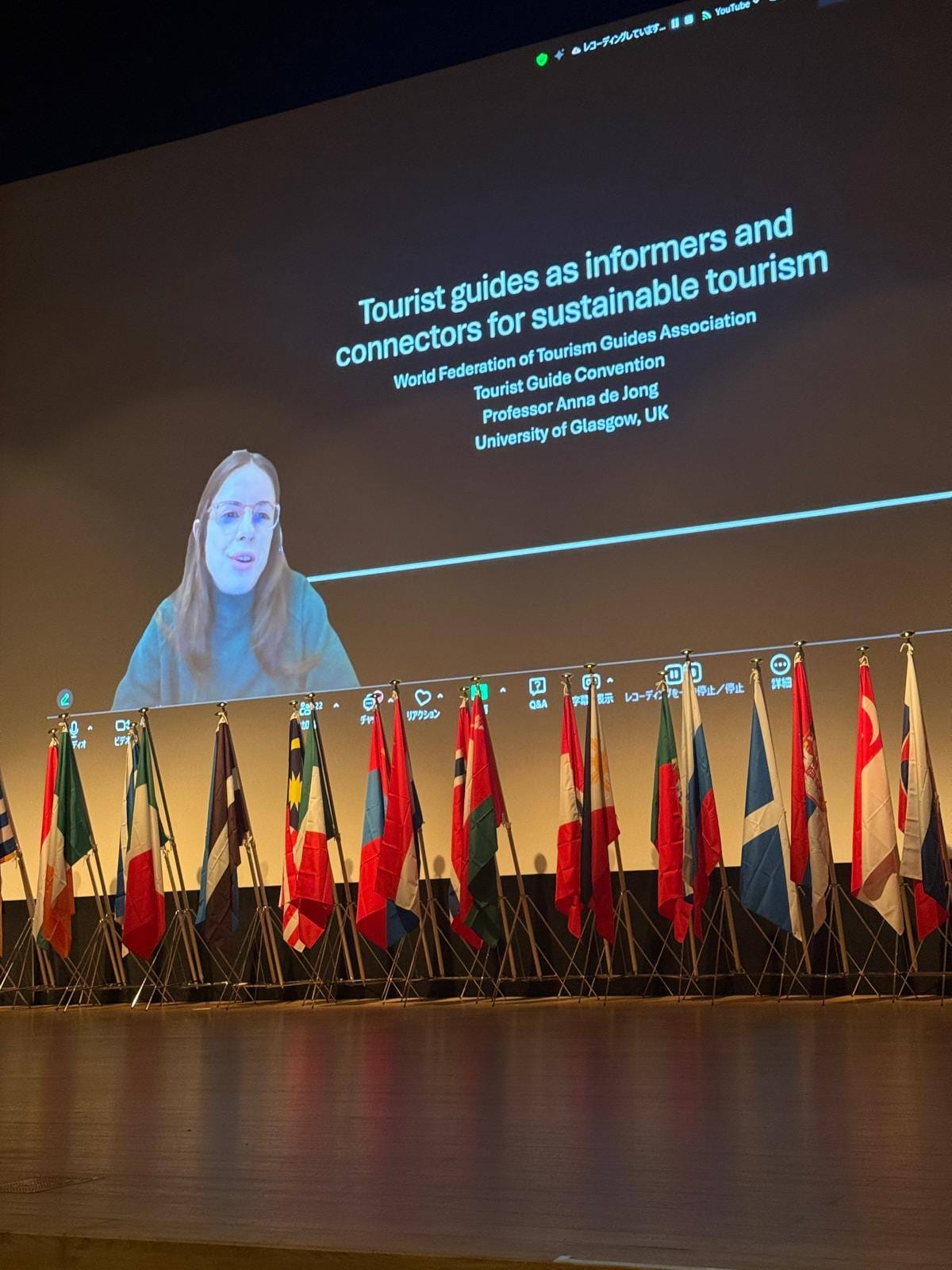
- UN Tourism representatives, recognizing WFTGA’s role as an Affiliate Member advancing the UN Tourism Global Code of Ethics for Tourism
- UNESCO partnerships, highlighting collaborative efforts in cultural and natural heritage interpretation
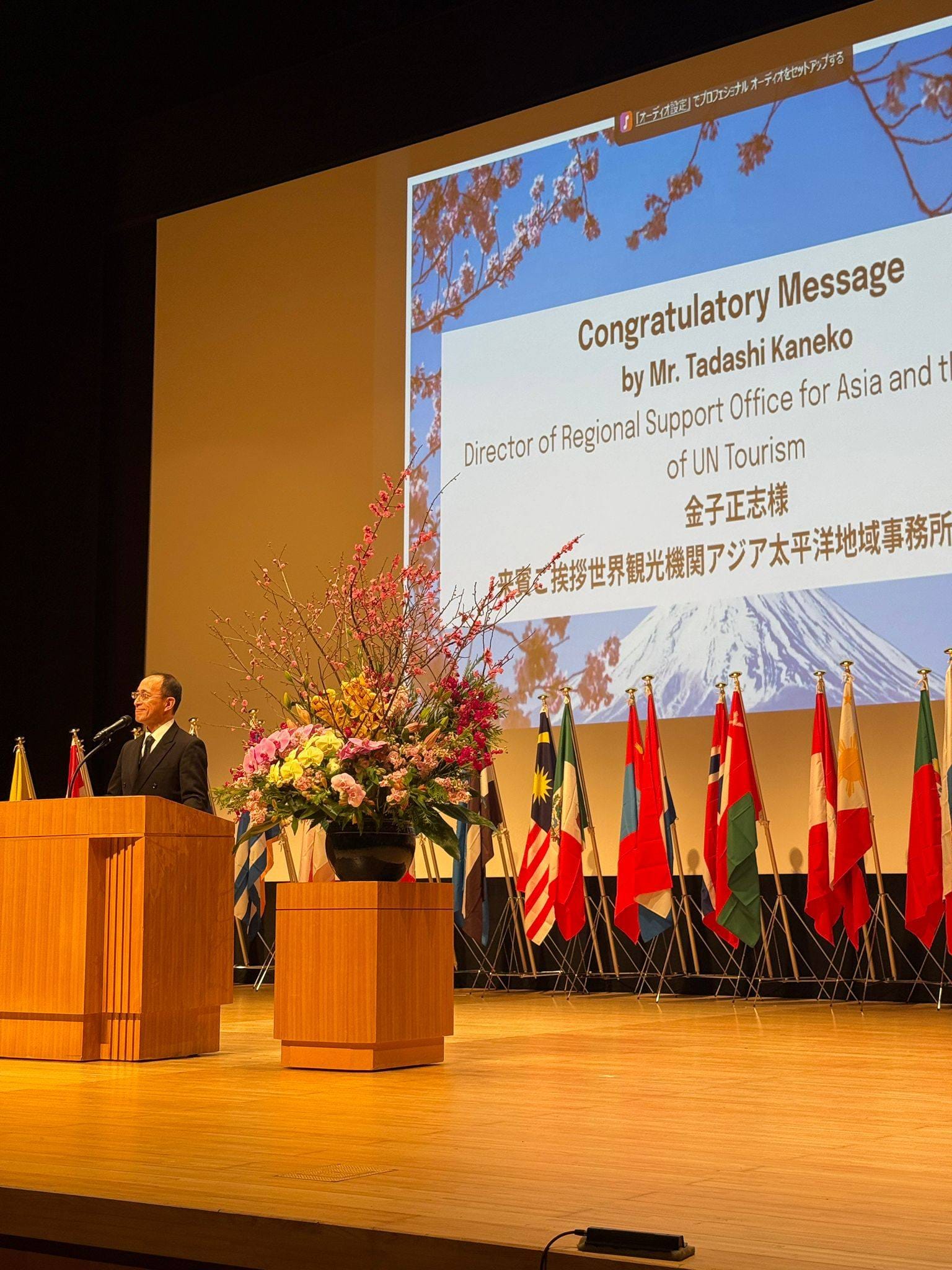
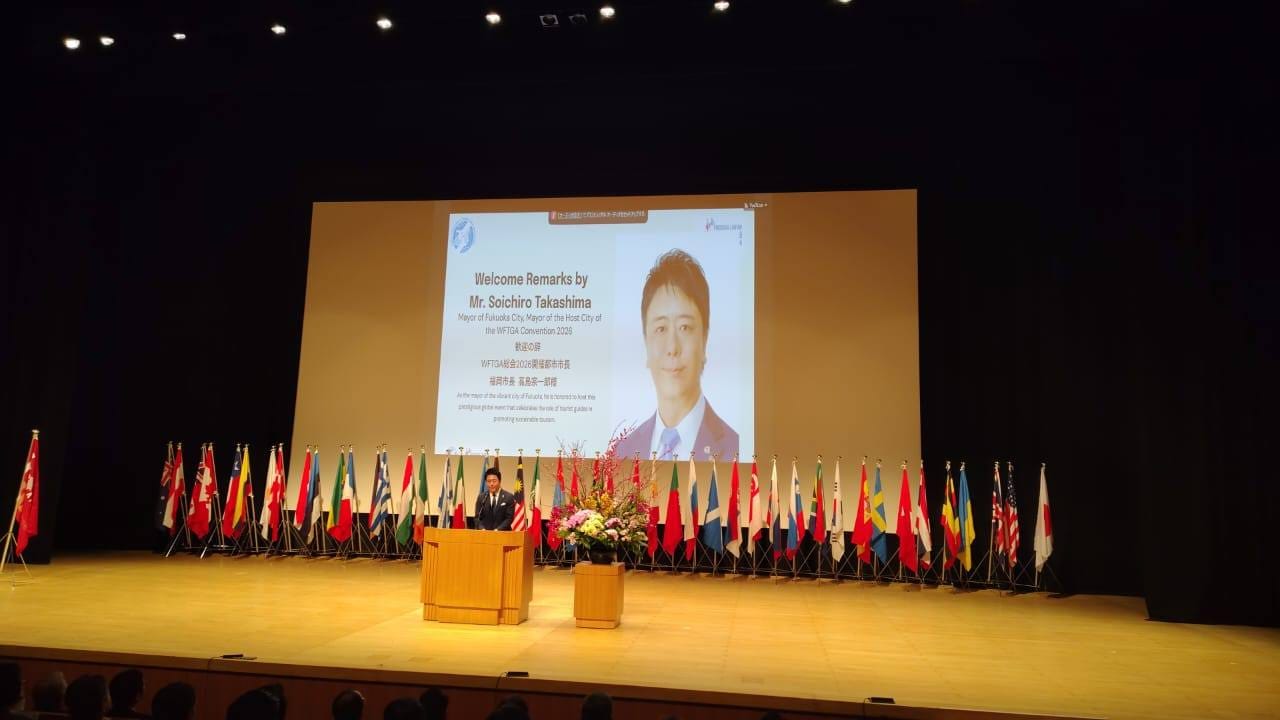
- Japanese tourism authorities, sharing insights from one of the world’s most sophisticated tourism ecosystems
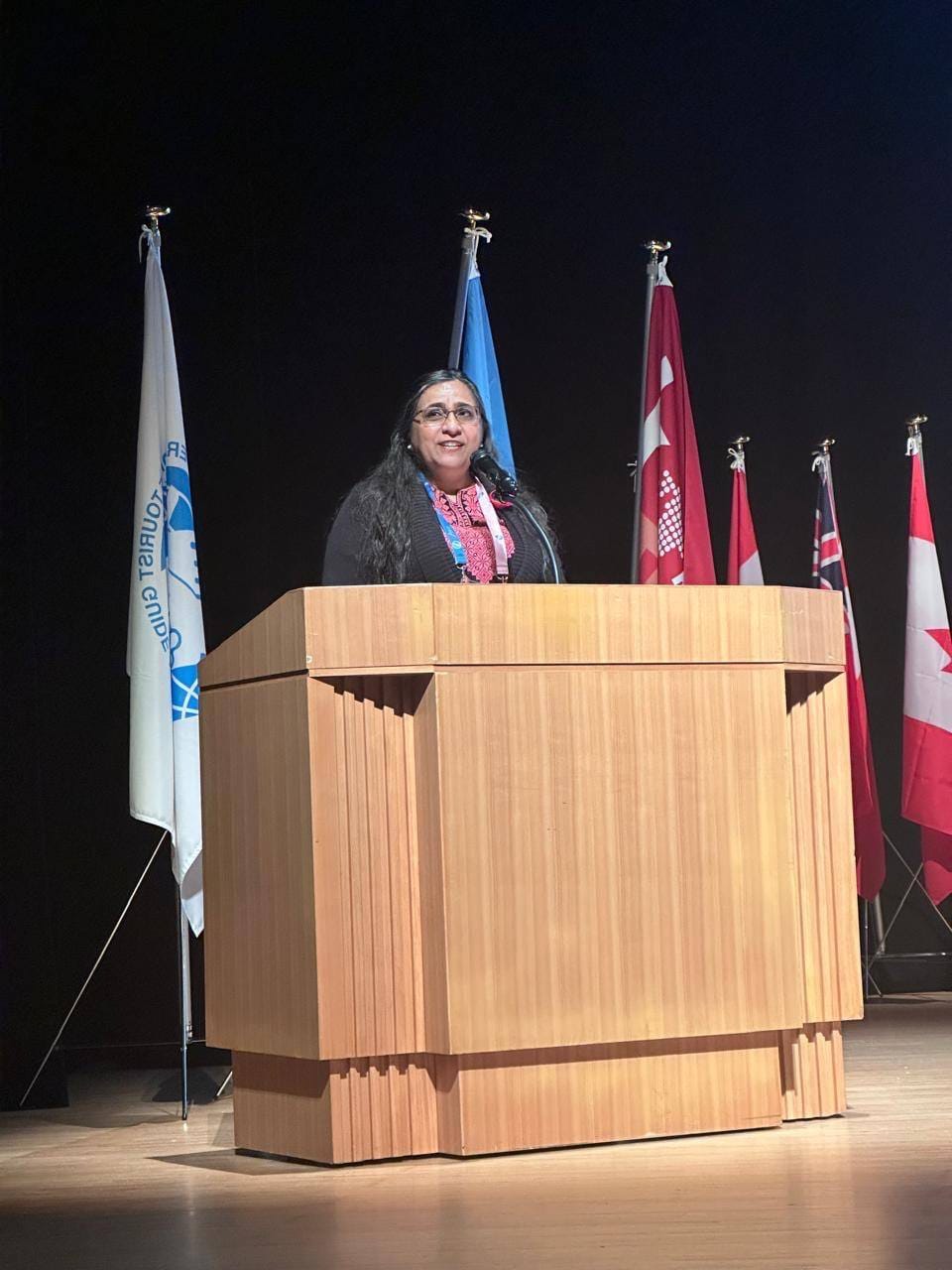
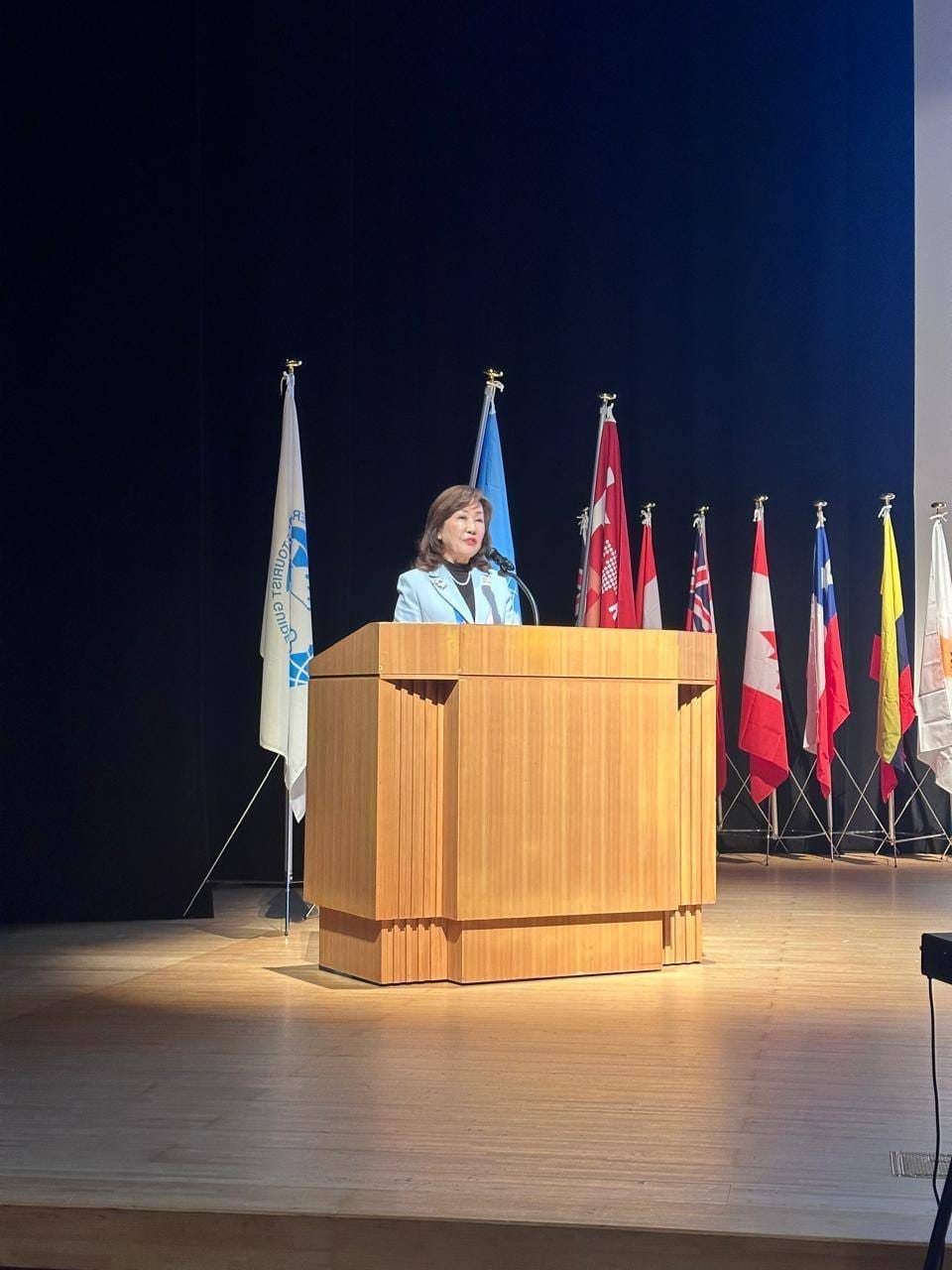
“The presence of UN Tourism and UNESCO at our Convention underscores the critical role professional tourist guides play as cultural mediators, heritage interpreters, and bridges between cultures,” explained President Frankenberger.
Redefining Professional Sustainability
A revolutionary aspect of the Convention addresses a persistent challenge in the tourism sector: the expectation that tourist guides must simultaneously be business experts, legal advisers, marketing strategists, and financial controllers – often after full working days of guiding.
“Sustainability also means having the courage to say: Here are my strengths. And here are my limits,” President Frankenberger emphasized. “Professionalism means knowing that you cannot – and should not – do everything alone.”
This principle was demonstrated through the Convention’s governance processes, where WFTGA engaged external experts from Governology to support constitutional reforms, modelling the very professional boundary-setting the organization advocates for individual guides.
Convention Programme Highlights
The five-day programme balances cultural immersion with professional development:
Professional Development Stream:
- Business sustainability workshops addressing fair compensation and professional boundaries
- Heritage interpretation masterclasses
- Technology integration for modern guiding practices
- Conflict management and intercultural communication
Cultural Exchange Programme:
- Experiential tours showcasing Fukuoka and Kyushu’s transformation
- Traditional cultural performances integrating educational methodology
- Site visits demonstrating sustainable tourism management
- Regional culinary experiences as cultural interpretation models
Governance and Standards:
- General Assembly advancing constitutional reforms
- Training standards development for global implementation
- UN Tourism and UNESCO certification programme discussions
- Member association capacity building sessions
Global Impact and Future Vision
With 200,000 professional tourist guides represented across 90 member associations in 50 countries, WFTGA’s influence extends far beyond individual destinations. The organization’s partnerships with UN Tourism and UNESCO position professional guides as essential contributors to the United Nations Sustainable Development Goals, particularly in areas of quality education (SDG 4), decent work and economic growth (SDG 8), and climate action (SDG 13).
The Convention’s emphasis on professional awareness and sustainable business practices aims to create lasting transformation that benefits both individual guides and the broader tourism ecosystem. As President Frankenberger concluded: “Sustainability begins with awareness. Awareness of our professional value. Awareness of our limits. And awareness that supporting each other makes us all stronger.”
Japanese Cultural Integration
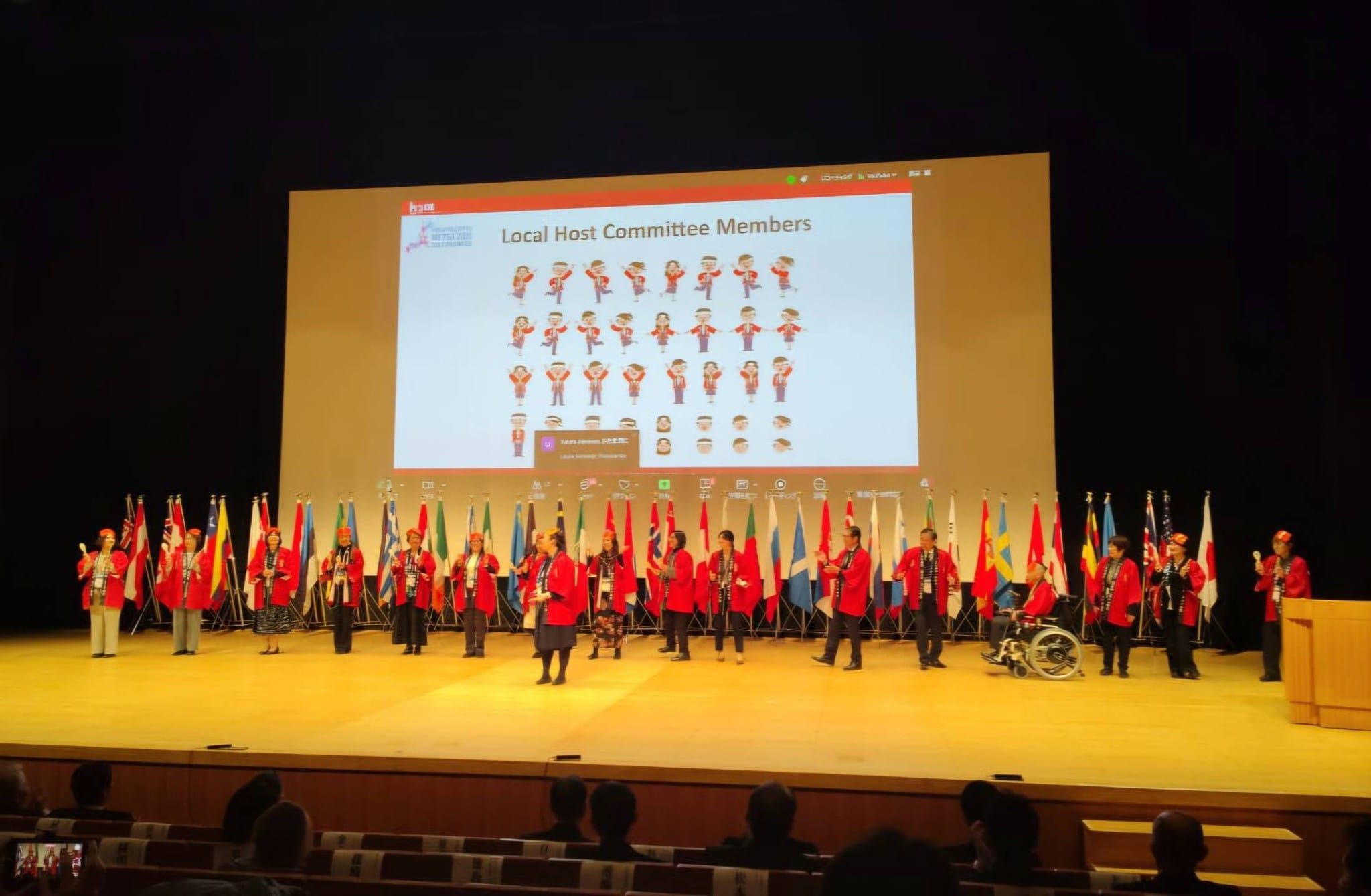
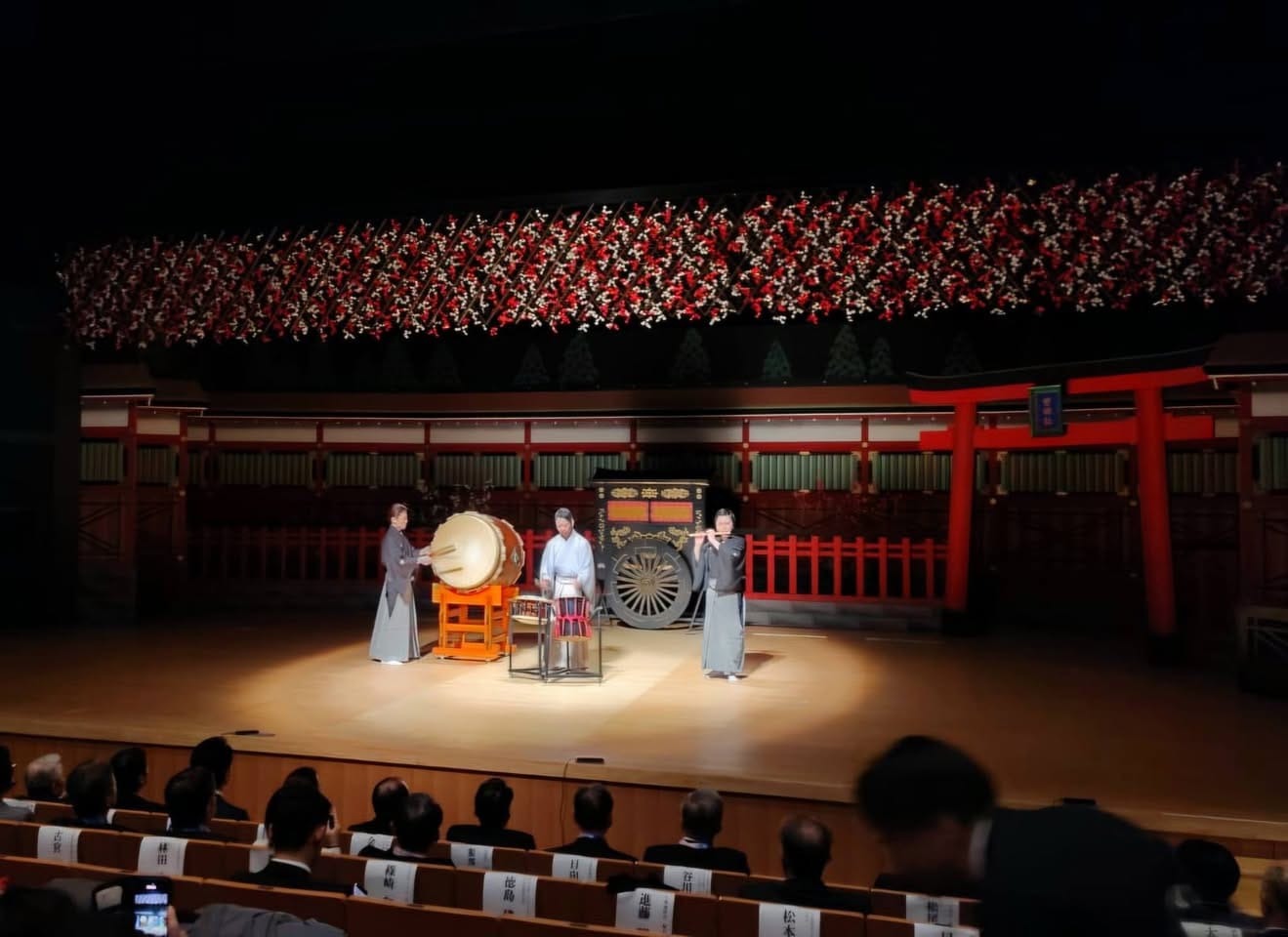
The opening ceremony featured an innovative English-language Kabuki performance, demonstrating the Convention’s commitment to cultural exchange while maintaining accessibility for international delegates. This creative adaptation exemplifies the balance between tradition and innovation that defines both Japanese tourism and WFTGA’s vision for the guiding profession.
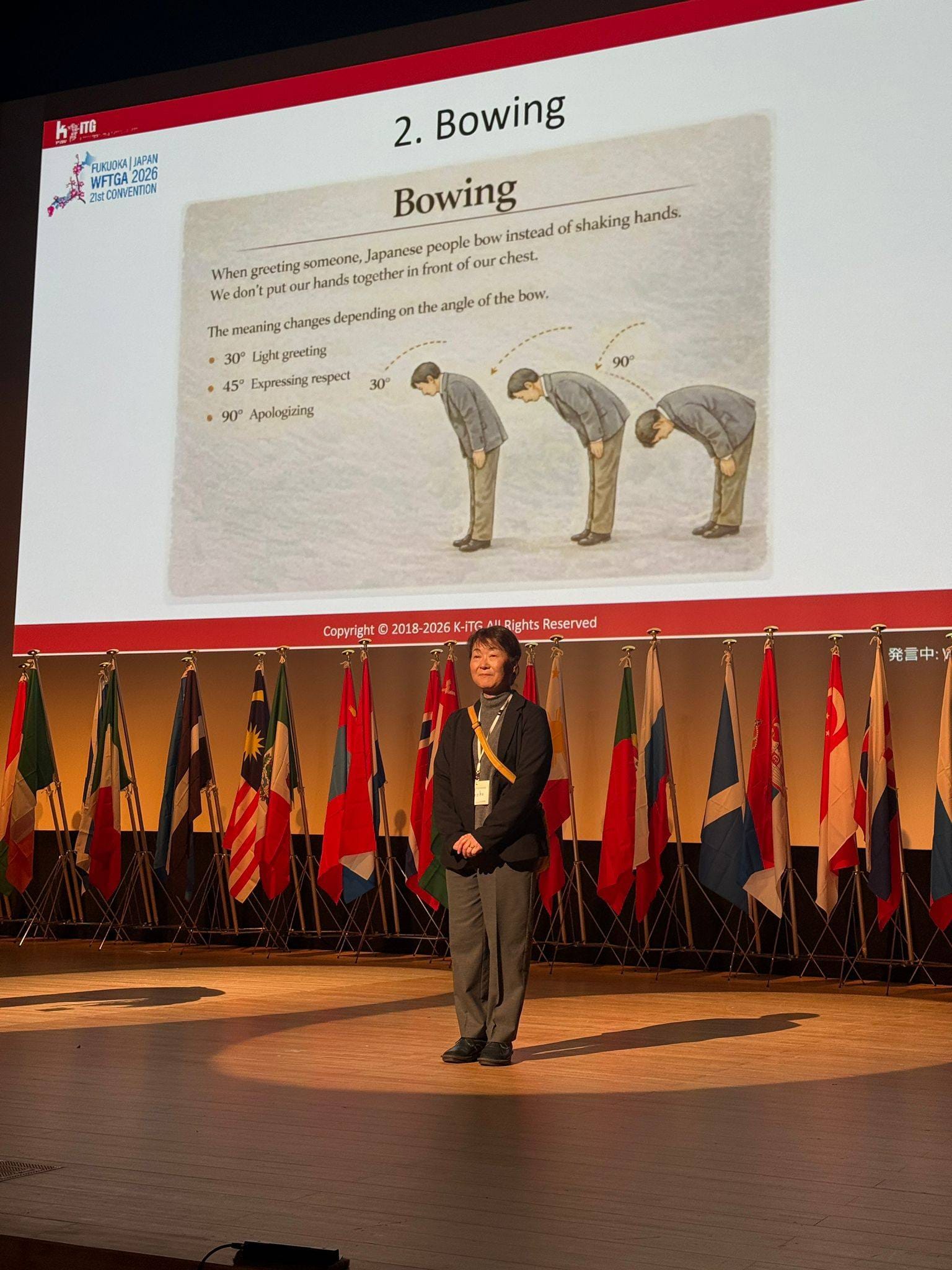
The traditional Japanese business card exchange ceremony – performed with both hands, full attention, and deep respect – serves as a metaphor for the Convention’s approach to professional relationships: valuing not just what colleagues have accomplished, but recognizing their inherent professional worth.