Tourist guide vs tour guide
One word makes all the difference: what sets the qualified, licensed tourist guide apart, defined by international standards.
What is a tourist guide?
In accordance with internationally recognised standards – ISO 18513:2003, EN 13809:2003 and EN 15565:2008 – WFTGA adopts the following definitions and distinctions, to ensure clarity and promote professional excellence within the tourism industry.
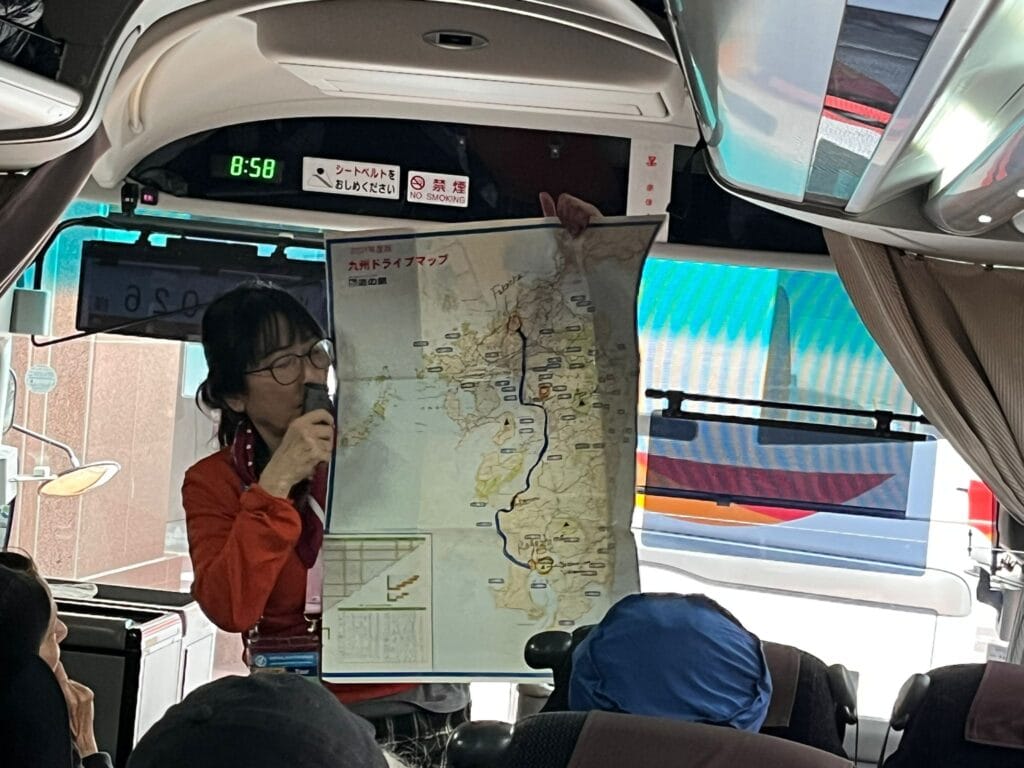
A Tourist Guide is a person who guides visitors in the language of their choice and interprets the cultural and natural heritage of an area, normally holding an area-specific qualification issued and/or recognised by the appropriate authority.ISO 18513:2003 · EN 13809:2003, adopted by WFTGA at the 10th Convention, Dunblane 2003
Where tourist guides make the difference
- On location at sites of cultural, historical and natural significance
- Licensed or certified where the profession is regulated
- Guardians of heritage and sustainable tourism
Tourist guide vs tour guide: why it matters
“Tourist guide” is the internationally recognised professional term. “Tour guide” is an informal label, often used for people without a recognised qualification or local licence. The difference is what your visitors actually get:
The Tourist Guide
- Interprets the cultural and natural heritage of an area
- Holds an area-specific, officially recognised qualification
- Works to the Code of Guiding Practice
- Local knowledge, verified: the ambassador of their region
Tour Manager / Tour Director / Escort
- Manages an itinerary on behalf of a tour operator
- Handles logistics, schedules and group welfare
- Gives practical travel information
- Does not provide in-depth local guiding unless also qualified as a Tourist Guide
Related roles
Tourism works as a team. These roles complement, but do not replace, the qualified local Tourist Guide.
Tour Leader
Accompanies a group throughout a tour, focusing on overall group management and support. Does not normally interpret heritage sites unless also acting as a Tourist Guide.
Driver-Guide
Provides transportation and guiding in one combined role, where legally permitted and appropriately certified, meeting the same professional guiding standards as Tourist Guides plus local traffic and insurance rules.
Local Guide
A Tourist Guide who operates within a limited geographical area, often specialising in one city, region or site.
Frequently asked questions
What is a tourist guide?
A tourist guide is a professional who guides visitors in the language of their choice and interprets the cultural and natural heritage of an area. Tourist guides normally hold an area-specific qualification recognised by the appropriate authority (ISO 18513:2003 / EN 13809:2003).
What is the difference between a tourist guide and a tour guide?
“Tourist guide” is the internationally recognised professional term for a qualified – and in many places licensed – guide with in-depth local knowledge. “Tour guide” is an informal term often used for people without a recognised qualification or local licence. WFTGA represents professional tourist guides worldwide.
How is a tourist guide different from a tour manager?
A tour manager accompanies and looks after a group throughout a trip and handles its logistics, but does not necessarily provide expert local guiding. At each destination, a qualified local tourist guide should lead the guiding.
Do tourist guides need a qualification or licence?
In many countries tourist guiding is a regulated profession requiring training, examination and a licence. WFTGA promotes recognised training standards such as EN 15565 and represents 90 associations across more than 50 countries.
Book a qualified tourist guide
Our member associations connect you with qualified, licensed tourist guides in more than 50 countries.